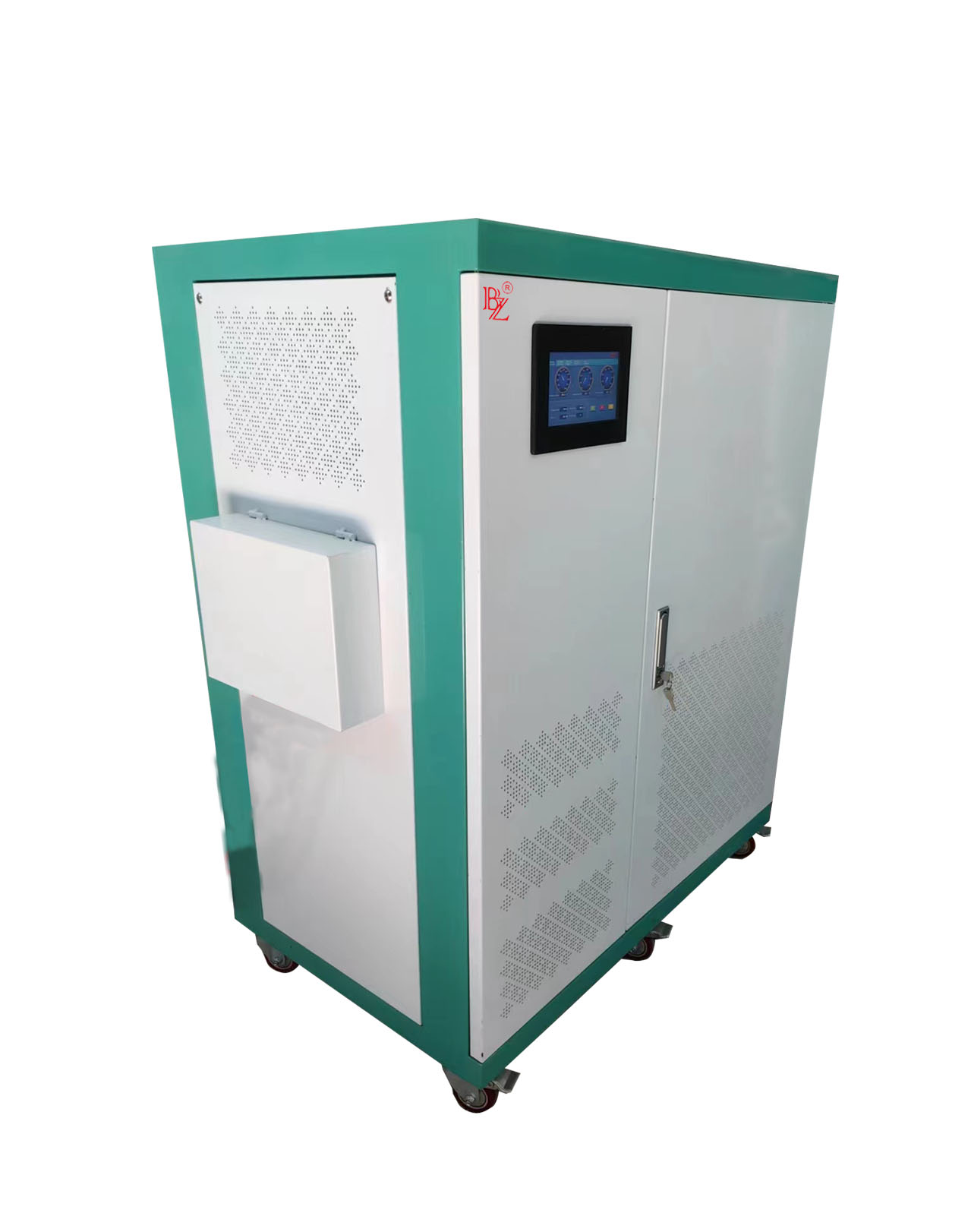
You know, integrating Low Frequency Inverters into energy management systems is really changing the game for industries looking to optimize how they run things. As energy use keeps climbing, I’ve come across reports showing that boosting energy efficiency — especially with those advanced inverter tech — can cut down costs quite a bit, like saving up to 20% on energy losses. It’s a pretty big deal.
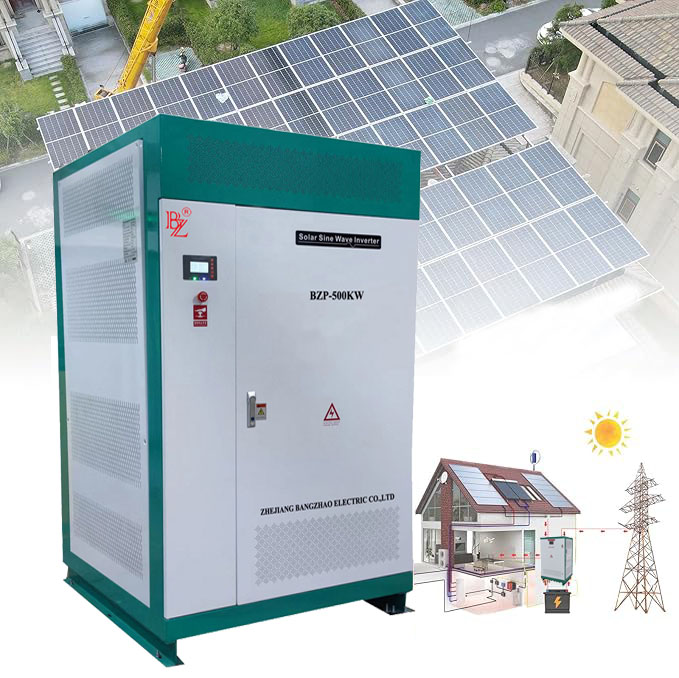
Over the past ten years, Bangzhao Electric Co., Ltd.has seen this shift firsthand — they’ve rolled out some cool solutions like lithium battery storage and Pure Sine Wave Inverters. These Low Frequency Inverters, with their improved performance, are super important now — from capturing renewable energy to powering electric vehicle chargers.
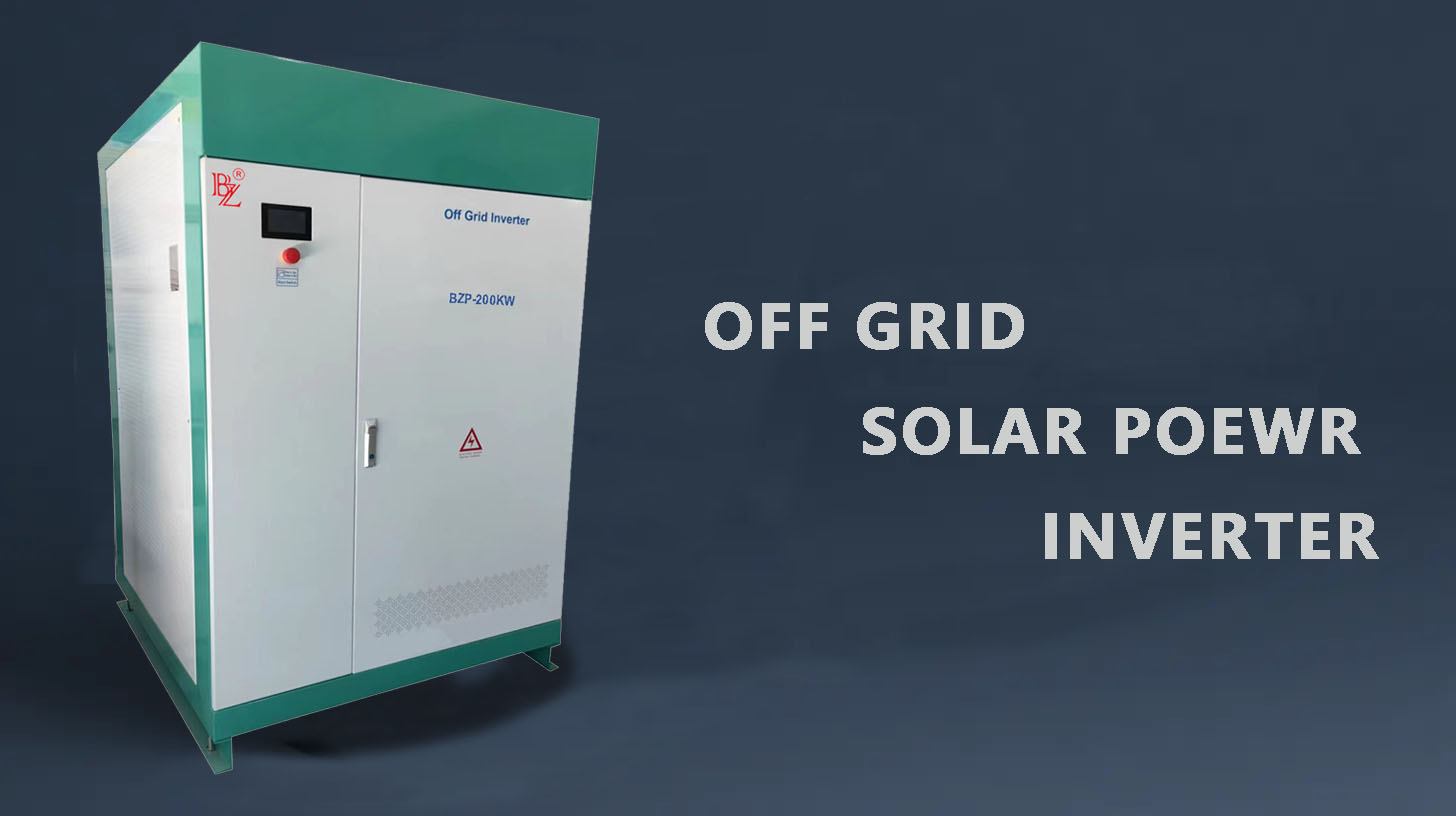
As more and more folks are searching for reliable, efficient ways to handle energy, using these inverters can really help maximize energy use and, honestly, chip away at the environmental impact. It’s all about moving toward a more sustainable future, right?
Benefits of Low Frequency Inverters in Energy Management
Low frequency inverters are pretty important when it comes to improving energy management systems. They bring quite a few benefits that really bump up efficiency. For instance, they can cut down energy losses by as much as 20%. What’s cool is that they can smoothly handle different power levels, making sure everything runs just right—even when the load varies a lot. By wasting less energy, not only do you save on your utility bills, but you're also helping out with sustainability, since overall energy use drops.
On top of that, low frequency inverters boost the reliability and lifespan of your systems. Their sturdy build helps keep things cool and reduces stress on the parts, which can mean less maintenance hassle over time. Plus, they’re pretty flexible—they make it easier to add renewable energy sources into the mix. All in all, both businesses and homeowners can enjoy a more resilient and efficient energy setup that adapts to changing needs and makes the most of what’s available.
Mechanisms of Reduced Energy Losses in Low Frequency Inverters
Low frequency inverters have really become an important technology when it comes to better energy management across different industries. One of the coolest things about them is how much energy they can save — studies show they can cut losses by up to 20%. To put it in perspective, the International Energy Agency (IEA) reports that traditional inverters tend to lose about 5-10% of energy during the conversion process. The low frequency versions, on the other hand, use advanced modulation techniques and better thermal management to keep those losses to a minimum, making energy use way more efficient.
Now, how do they do it? Well, it’s a mix of several smart tricks. For starters, they use higher-quality parts that work better at lower frequencies, which cuts down on switching losses quite a bit. Plus, according to a study by the EPRI, these inverters have improved control algorithms that help them adapt to different load conditions — so less energy gets wasted as heat. And because they run at lower frequencies, they also help match impedance better and put less strain on the electrical components, which means the whole system ends up more reliable. It’s a pretty impressive tech upgrade that not only boosts power output but also supports moving towards cleaner, more sustainable energy solutions by making energy management systems more efficient.
Comparative Analysis: Low Frequency vs. Traditional Inverters
Low frequency inverters are really a game-changer when it comes to managing energy smartly. They pretty much blow traditional inverters out of the water in terms of efficiency. One of the biggest perks? They cut down on energy losses during the conversion process. See, most regular inverters run at higher frequencies, which often results in more heat — and honestly, more wasted energy. Low frequency inverters, on the other hand, operate at a more optimized range, which can slash losses by around 20%. That adds up to cost savings, plus it helps keep our carbon footprint smaller, which is pretty awesome.
On top of that, when you compare low frequency inverters to the traditional types, you’ll notice some pretty clear differences in how they perform and how reliable they are. These inverters tend to last longer and run quieter — really a plus whether you’re talking about homes or bigger industrial setups. Their sturdy design means they handle wear and tear better, so they stay stable even in tougher environments. Plus, they’re pretty flexible—able to support a wider range of input and output conditions. That kind of adaptability makes them a no-brainer choice these days, especially as everyone’s looking to be more efficient and eco-friendly. Honestly, they tick a lot of boxes for modern energy systems.
Real-world Applications of Low Frequency Inverters in Various Industries
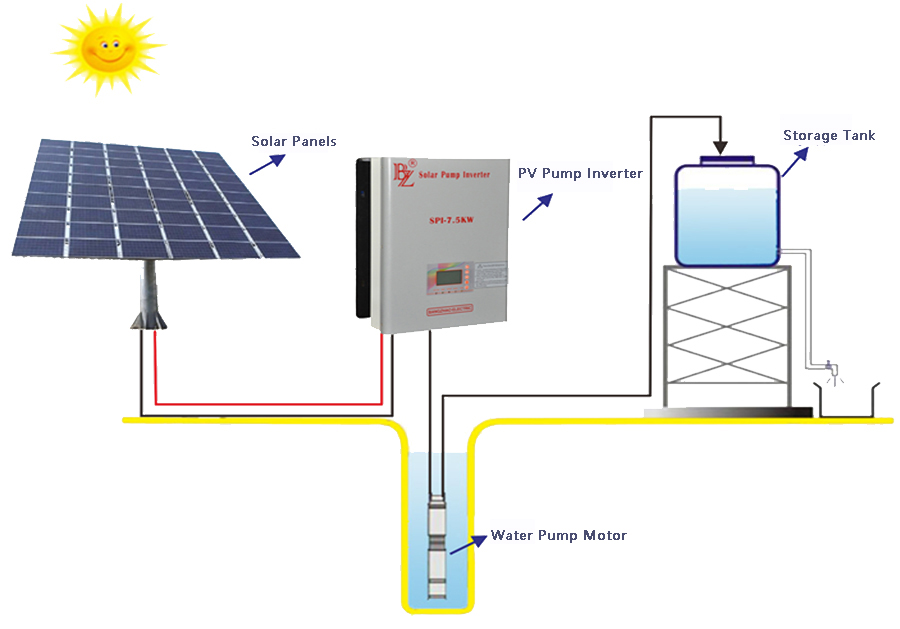
Low-frequency inverters are really changing the game when it comes to managing energy across different industries. They’re helping cut down on wasted energy and make everything more efficient overall. You see them popping up in sectors like manufacturing, farming, and renewable energy — they’re pretty much becoming must-have tools now. For example, in factories, these inverters tweak motor speeds depending on what’s actually needed, which means smoother operations and less energy used. And in agriculture, they help run irrigation systems more effectively — making sure pumps work at their best while also saving water and power.
A quick tip if you're thinking about getting one: try to match the inverter’s capacity to your specific needs. Picking the right size can really maximize your savings and prevent your equipment from wearing out sooner than it should.
In the world of renewable energy, low frequency inverters are a big deal too. They help make solar and wind power systems more stable by converting energy more efficiently, which makes integrating this clean power into the grid a lot smoother. Plus, they can help cut electricity bills and push industries towards their sustainability goals, all while staying competitive.
And a little pro tip — don’t forget to give your inverters regular check-ups. Routine maintenance keeps everything running smoothly, helps keep your system efficient, and makes sure your investment lasts longer.
Future Trends in Energy Management with Low Frequency Inverter Technology
The way low-frequency inverter technology is evolving is genuinely paving the way for some pretty exciting progress in energy management. More and more industries are jumping on board with these systems, and honestly, reports are showing that businesses could cut their energy losses by up to 20%. I came across a recent industry study by MarketsandMarkets that says the global market for low-frequency inverters is expected to grow at an average rate of 8.7% from 2021 all the way through 2026 — which really highlights how much people are looking for more efficient energy solutions these days.
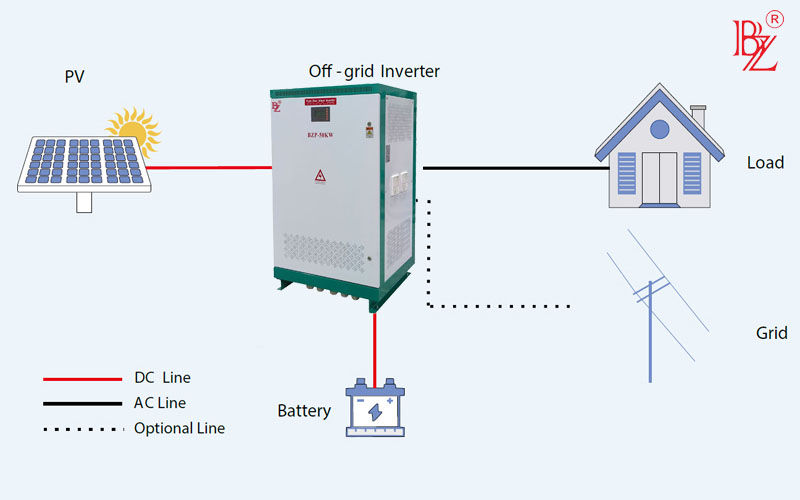
One thing that’s catching everyone's attention is the combo of smart grid tech with these inverters. It’s like giving energy distribution a real upgrade, helping to manage loads better and cut down peak demand costs for companies. Frost & Sullivan's research points out that companies using this kind of tech could see operational costs drop by around 15% over five years. Plus, with renewable energy sources becoming more common, these inverters help manage the energy flow better, leading to a more stable and reliable grid overall.
Tip: If you’re looking to really squeeze the most out of your energy system, it might be worth thinking about upgrading to low-frequency inverters that can connect with your existing energy management setup. That way, you get real-time data insights that can help you make smarter decisions.
Tip: Also, don’t forget — regular checkups and proper maintenance of your inverter systems can seriously extend their lifespan and keep those energy savings going strong, so your investment really pays off in the long run.
Maximizing Energy Efficiency: Insights from Recent Industry Reports on Hybrid Inverter Charger Controllers All in One
The modern pursuit of energy efficiency has led to significant advancements in technology, particularly with devices like the Hybrid inverter charger controller all in one unit. This innovative solution seamlessly integrates photovoltaic charging, utility charging, and inverter functions into a single device. By harnessing solar energy when available, it dramatically reduces reliance on traditional power sources, thus contributing to a more sustainable energy landscape. The versatility of this unit makes it ideal for a range of applications, from home backup power systems to outdoor work scenarios, ensuring users can effectively meet their energy needs.
One of the standout features of the hybrid inverter charger controller is its ability to convert DC power into AC power, which is essential for most household and commercial appliances. This dual functionality not only enhances efficiency but also simplifies operations for users, who can charge their batteries using either solar or grid power. The stability and reliability of this system ensure that it consistently delivers power when it's needed most, making it a valuable addition to any energy-conscious household or business. As industries strive to improve energy efficiency, harnessing the capabilities of such integrated systems will be key in driving a greener future.
FAQS
: Low frequency inverters minimize energy losses during conversion processes, operate at a more optimized frequency range, and result in approximately 20% reduced energy losses, leading to cost savings and a lower carbon footprint.
They enhance overall efficiency by significantly reducing heat generation and energy dissipation, which is common in traditional inverters that operate at higher frequencies.
Industries such as manufacturing, agriculture, and renewable energy benefit from low frequency inverters as they help reduce energy losses and optimize operational efficiencies.
Yes, in agricultural settings, low frequency inverters optimize irrigation systems, ensuring pumps operate at peak efficiency while conserving water and energy.
They enhance the stability and efficiency of solar and wind generation systems, allowing for better integration into the grid and helping to reduce electricity costs.
Regular maintenance checks on low frequency inverters are essential to keep components in peak condition, sustain efficiency, and prolong the lifespan of the investment.
Low frequency inverters typically have longer lifespans, quieter operation, robust designs that minimize wear and tear, and can support a broader range of input and output conditions.
It is important to consider the specific energy needs of your application and match the inverter capacity with your equipment to maximize savings and prevent unnecessary wear.
Conclusion
Low Frequency Inverters are really making waves in how we manage energy. They're quite a step up from the traditional ones, cutting down losses by as much as 20%. That kind of boost in efficiency means industries can make better use of their energy, saving both money and resources. The reason they’re so efficient? Well, it’s all about smarter design and better operational strategies that help them perform at a higher level.
Here at Bangzhao Electric Co., Ltd., we’ve been leading the charge in this space, offering innovative stuff like pure sine wave inverters and bi-directional energy storage systems. When you compare these low frequency inverters to the older models, it’s pretty clear they’ve got a lot going for them, especially when you see how well they work in real-world situations. As more industries start leaning towards more sustainable energy solutions, it’s exciting to think about how these inverters will keep improving and becoming more widespread across different sectors.